Let’s be straight with you, because that’s how we do it here. This afternoon the Federal Reserve raised its benchmark interest rate by a quarter point, to a range of 3.75% to 4% — its first hike since 2023. Thirty-year mortgage rates are sitting right around 7%, a one-year high. That’s the honest headline, and I’m not going to dress it up.
Here’s the part most agents won’t explain: the Fed’s rate is not your mortgage rate. The Fed sets the overnight rate banks charge each other. Your mortgage tracks the bond market — specifically the 10-year Treasury — which moves on where investors think the economy is headed. Case in point: today, right after the Fed raised rates, the 10-year actually ticked down, because the move was already expected. So “the Fed hiked” does not automatically mean “your house payment just went up.” Anyone who tells you otherwise is guessing.
Now the real conversation — rent versus own
Rent is the one payment you never get back. Every month you write that check, you build exactly zero: no equity, no ownership, nothing to sell or borrow against later. And rent only moves one direction — up. Your landlord’s mortgage, taxes, and insurance all get passed along to you, plus a little extra for their trouble. Sign a 30-year fixed mortgage and your principal-and-interest payment is locked — the same in year one as in year fifteen — while the renter next door eats an increase every single lease.
That’s the heart of sweat equity: your payment is buying you something. A $250,000 loan at today’s rates runs roughly $1,660 a month in principal and interest — and a growing chunk of that comes right back to you as ownership every month you stay. (That’s an illustration, not a quote; taxes and insurance ride on top, and your real number depends on your credit and down payment.)
Marry the house, date the rate
You hear me say it a lot, and I mean it. You lock in today’s price, and you can refinance the rate later if it drops — you are not married to 7% for 30 years. What you can’t do is refinance rent, and you can’t go back and buy at today’s price once everyone else jumps back in. Because here’s what happens when rates finally fall: buyers flood the market, bidding wars return, and prices climb. Wait for the “perfect” rate and you’ll likely pay more for the house — and fight ten other offers to get it. Buy the house now; refinance the rate later.
And about waiting for 3% again — think about what it would actually take. The Fed only drops rates to the floor in an emergency: a crash, a recession, a pandemic. You don’t really want the economy that produces cheap money. Meanwhile, 7% feels steep next to 2021, but it’s close to the long-run normal and a long way from where rates sat in 1981 — north of 18%. People bought anyway, built equity, and refinanced their way down. So can you.
Why this hits different here
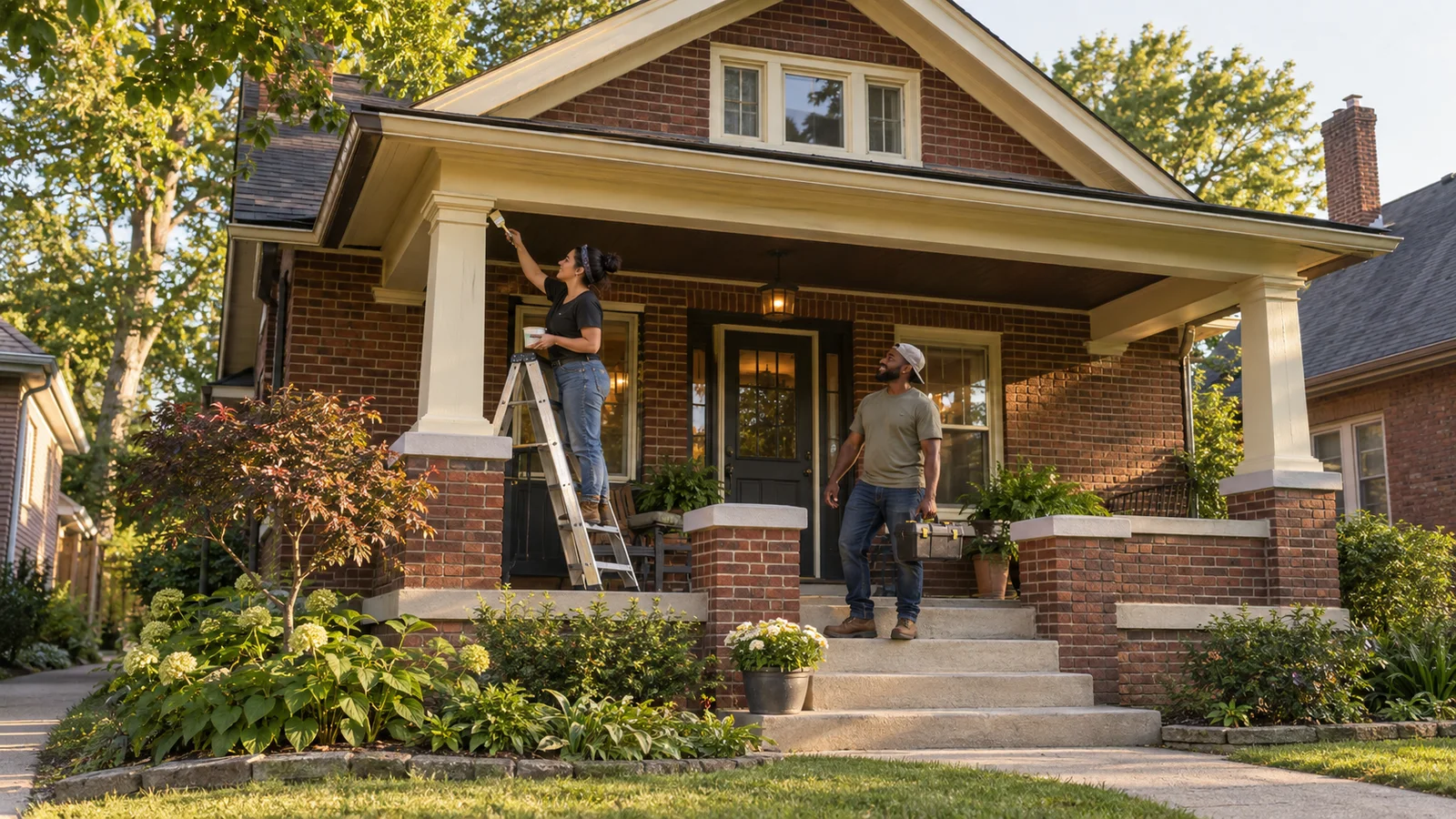
In Metro Detroit we’ve still got something much of the country lost: homes a working family can actually buy. In plenty of our neighborhoods, a monthly payment isn’t far off what you’re already handing a landlord — and if you’re willing to put in a little sweat, an older home with good bones is how everyday people build real wealth, one weekend project at a time.
One honest caveat, because you deserve it: buying makes the most sense if you plan to stay put a few years and your budget is steady. If you’re moving across the country next spring, keep renting. This is general guidance, not personal financial advice — so let’s sit down and run your actual numbers.
If you can cover rent, there’s a good chance you can cover a mortgage on something — and start building your equity instead of your landlord’s. Let’s find out what fits your budget. Run your numbers with us at LuxMichigan.com/start.
This article was supplied to LuxMichigan News by the author.
Rate context was checked against the Federal Reserve’s September 16 statement and Freddie Mac’s Primary Mortgage Market Survey.
Read the submitted article PDF